Looking Into Indian Food: the Allure of Famous Indian Food You Have To Try
Indian cuisine uses an abundant tapestry of practices and tastes. Each dish shows an one-of-a-kind story, formed by social impacts and local components. From fragrant curries to vivid street food, every bite provides a chance to discover India's diverse cooking landscape. The trip with its spices and specializeds promises to discover hidden gems, tantalizing the taste buds and stiring up interest. What awaits in this dynamic world of food?
The Flavor Symphony: Recognizing Indian Seasonings
The lively tapestry of Indian food is intricately woven with a varied variety of seasonings, each adding one-of-a-kind tastes and health benefits. Spices such as cumin, coriander, and turmeric form the backbone of lots of meals, infusing them with heat and deepness. Cumin seeds supply a nutty aroma, while coriander adds a citrusy brightness. Turmeric, understood for its vibrant hue, not only enhances visual appeal however additionally flaunts anti-inflammatory residential properties.
Other noteworthy seasonings consist of garam masala, a mix that varies regionally, and cardamom, which provides a pleasant, fragrant touch. Mustard seeds, with their pungent kick, and fenugreek, with its slightly bitter preference, further enhance the culinary landscape. The mindful balance of these seasonings is vital, as each one contributes in producing the harmony characteristic of Indian dishes. Understanding these seasonings is considerable for anyone looking for to value the complexity and splendor of Indian cuisine.
Iconic Curries: A Journey Via Regional Flavors
Curries represent the heart of Indian cooking culture, showcasing the richness and diversity of local tastes across the subcontinent. Each area flaunts its distinct analysis, influenced by local active ingredients, practices, and climate. In the north, luscious butter chicken and aromatic paneer tikka masala tantalize palate, while the south deals a vivid range of coconut-based curries like Kerala's fish curry and the spicy sambar.
The eastern is renowned for its mustard-infused meals, such as the legendary Bengali mutton curry, while the west features abundant, tangy curries like Goan vindaloo and Rajasthani dal baati churma. (Best indian restaurant)
These legendary curries not just function as a culinary pleasure yet also tell the tales and heritage of their corresponding regions. As one checks out these varied offerings, a deeper understanding of India's social mosaic unravels, strengthening the significance of curries in the country's gastronomic identity.
Biryani: The Royal Rice Dish
Biryani, often pertained to as the royal rice dish of India, boasts an abundant history that shows the social exchanges of the Indian subcontinent. Its beginnings are soaked in the customs of Mughal kitchens, while numerous regional adaptations have actually emerged, each showcasing distinct flavors and active ingredients. This cooking masterpiece remains to develop, exposing a tapestry of tastes that commemorate India's varied heritage.
Beginnings and Background
Stemming from a rich tapestry of cultural impacts, biryani stands as a symbol of India's cooking heritage. Its roots trace back to the Persian word "birian," implying "fried before cooking," highlighting its special food preparation approach. The recipe obtained importance throughout the Mughal period, where imperial kitchen areas developed it, blending rice with marinaded meats and a symphony of spices. This lavish recipe was often offered at grand banquets, showcasing the wide range and class of Indian nobility. In time, biryani developed, absorbing neighborhood ingredients and food preparation strategies, which added to its prevalent popularity. Today, it continues to be a precious meal, celebrated not just for its taste however also for its historic importance, mirroring the convergence of diverse societies within India.
Regional Variations Explained
The diverse landscape of Indian food showcases a variety of local biryani variants, each reflecting regional practices and ingredients. In Hyderabad, the Hyderabadi biryani is renowned for its fragrant basmati rice and seasoned meat, often layered with saffron and fried onions. Kolkata biryani features an one-of-a-kind mix of potatoes and steamed eggs, affected by Mughal traditions. In the southerly areas, the Malabar biryani includes coconut and seasonings, highlighting regional flavors. The Lucknowi or Awadhi biryani is identified by its slow-cooking technique, enhancing the dish's aromatic high qualities. Each variant not only stands for the geographical diversity of India but additionally the cultural heritage, making biryani a cherished cooking work of art throughout the country.
Road Food Sensations: A Taste of India on the Go
India's vibrant road food scene provides a range of flavors and structures that mesmerize citizens and vacationers alike. From busy urban markets to quiet village lanes, street vendors dish out a luring mix of treats. Popular recipes consist of pani puri, where crunchy puris burst with tasty water, and vada pav, a spicy potato fritter served in a bun. Chaat stands deal a wonderful medley of mouthwatering and pleasant elements, enticing preference buds with each bite.
The aroma of crackling pakoras and fresh bhajis loads the air, pulling in groups enthusiastic to delight. Each region presents its very own specializeds, such as the spicy bhel puri of Mumbai or the succulent kathi rolls of Kolkata (fresh kebabs). Road food not only pleases cravings but likewise gives a peek right into the local culture, making it a necessary experience for any individual venturing right into the diverse culinary landscape of India
Vegetarian Delights: Commemorating Plant-Based Indian Food
Indian food offers a vivid variety of vegan recipes that highlight its abundant cultural heritage and diverse regional specialties. Using nutrient-rich active ingredients, these meals not just please the taste yet also supply essential health advantages. Popular dishes, such as paneer tikka and chole bhature, exhibit the creative thinking and tastes located within plant-based Indian food preparation.
Nutrient-Rich Components
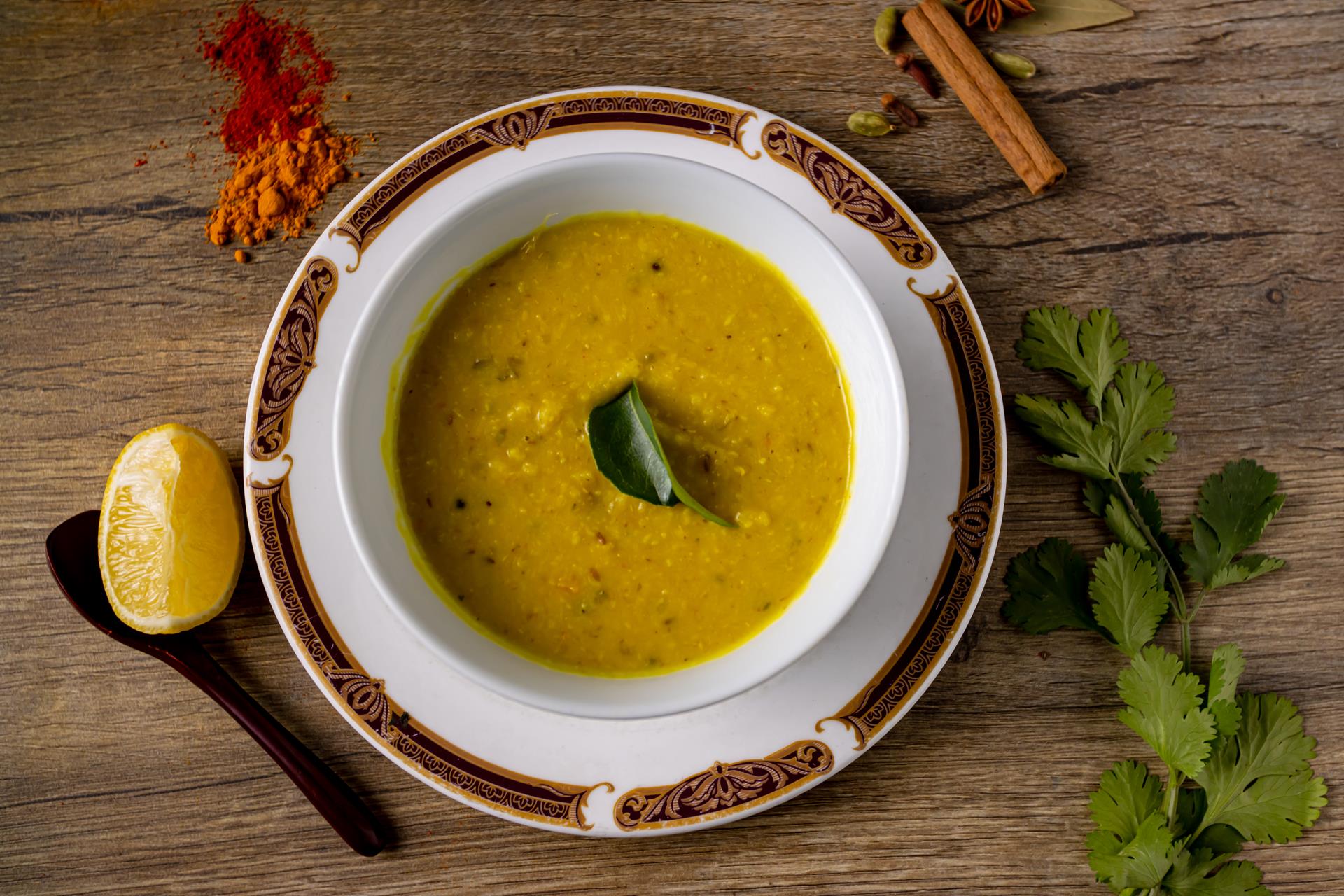
While exploring the vibrant world of vegetarian Indian food, one promptly discovers a treasure chest of nutrient-rich ingredients that not just tantalize the palate however likewise promote health and wellness and health. Lentils, or dal, work as a main healthy protein source, packed with fiber and necessary amino acids. Leafed environment-friendlies like spinach and fenugreek supply essential nutrients, while dynamic spices such as turmeric and cumin boast anti-inflammatory buildings. Chickpeas, generally used in recipes like chana masala, are rich in healthy protein and iron. Additionally, numerous veggies, consisting of eggplant and okra, contribute fiber and anti-oxidants. These ingredients, when incorporated, develop a harmonious balance of flavors and find nourishment, showcasing the healthy essence of plant-based Indian cuisine.
Regional Specialties Review
As one checks out the diverse landscape of vegetarian cuisine located across the subcontinent, it comes to be apparent that each region flaunts its own one-of-a-kind specialties, mirroring local active ingredients, customs, and tastes. In the north, hearty recipes like sarson da saag and makki di roti commemorate mustard eco-friendlies page and cornmeal, while the west showcases the vivid use of seasonings in recipes like dal baati churma. Southern areas offer coconut-infused delicacies such as sambar and dosa, highlighting the wealth of rice and legumes. Meanwhile, the eastern attributes the full-flavored and sweet equilibrium of recipes like shorshe ilish, which combines mustard with fish. This local selection emphasizes the abundant tapestry of Indian vegan food, welcoming exploration and admiration of its many offerings.
Popular Cuisine Highlighted

Pleasant Endings: Conventional Indian Treats to Appreciate
Indian desserts use a fascinating conclusion to any dish, showcasing an abundant tapestry of flavors and appearances. Amongst the most renowned is Gulab Jamun, a soft, syrup-soaked treat made from khoya and seasoned with cardamom. Another preferred, Jalebi, features crispy spirals soaked in sweet syrup, usually enjoyed hot. For those that favor a creamy appearance, Kheer-- a rice dessert made with milk, sugar, and nuts-- provides a soothing sweetness.
Barfi, a fudge-like confection, can be found in different flavors such as pistachio and coconut, appealing to diverse tastes. Furthermore, Ladoo, round desserts made from flour and sugar, are prominent joyful treats (Best indian restaurant). Each dessert reflects local variations and social value, inviting expedition. These conventional Indian desserts not only please the sweet tooth but additionally use a peek right into the nation's cooking heritage, guaranteeing they are a must-try for any individual delighting in Indian food
Often Asked Questions
Are Indian Spices Available in Grocery Store Stores Outside India?
Yes, Indian flavors are widely readily available in food store see this here beyond India. Numerous international markets and specialized shops stock them, enabling people everywhere to check out and delight in the diverse flavors of Indian food.
Exactly How Can I Readjust Spice Levels in Indian Recipes?
To adjust seasoning levels in Indian meals, one can enhance or lower flavor amounts, include milk items like yogurt, or incorporate wonderful elements such as sugar, honey, or coconut to stabilize heat and improve tastes.
What Are Some Common Misconceptions Concerning Indian Food?
Lots of mistaken beliefs concerning Indian food include the belief that all recipes are excessively hot, that it solely contains curry, and that vegan choices do not have taste. Actually, Indian cuisine is diverse and offers a range of tastes.
Can Indian Food Be Made Gluten-Free?
Exactly how Do I Pick the Right Indian Restaurant?
To choose the ideal Indian dining establishment, one should think about genuine reviews, food selection selection, sanitation, the usage of fresh active ingredients, and the existence of well-informed personnel. Individual referrals can additionally guide the choice procedure effectively.
The cautious equilibrium of these seasonings is vital, as each one plays a role in producing the harmony characteristic of Indian recipes. Biryani, often concerned as the royal rice dish of India, flaunts a rich history that reflects the cultural exchanges of the Indian subcontinent. Indian food provides a vivid selection of vegan recipes that highlight its abundant cultural heritage and diverse regional specialties. Iconic dishes such as paneer tikka, abundant in taste and appearance, exhibit the creative thinking located in Indian kitchens. Numerous misunderstandings concerning Indian food include the idea that all recipes are exceedingly hot, that it exclusively consists of curry, and that vegetarian alternatives do not have taste.